Tracing the intellectual history of Islam across centuries and geographies
Our Approach
Based on the curriculum of the College Program on Islam, the APOI curriculum focuses on the intellectual history of Islam. Through studying intellectual traditions, participants will be able to reflect on the pluralism of Muslim and Ismaili intellectual life across centuries and geographies.
Throughout the camp, participants will engage with the breadth of philosophical thought that emerged within and alongside the Muslim world, from the foundational debates of kalam (speculative theology) and falsafa (peripatetic philosophy) to the development of Sufi & Irfani mystical and ethical traditions. Participants will come to understand how Muslim thinkers across diverse schools have grappled with questions of being, knowledge, ethics, and the relationship between reason and revelation.
Additionally, participants will also have the chance to explore the diversity of Ismaili thought across history — from the early and influential Ismaili intellectual achievements of the Fatimid era and the contributions of figures like Nasir-i Khusraw, to the ideas and worldviews expressed in the ginans. Participants will learn about the remarkable diversity of Ismaili intellectual production across regional and historical contexts, and its sustained engagement with the wider Islamic intellectual inheritance.
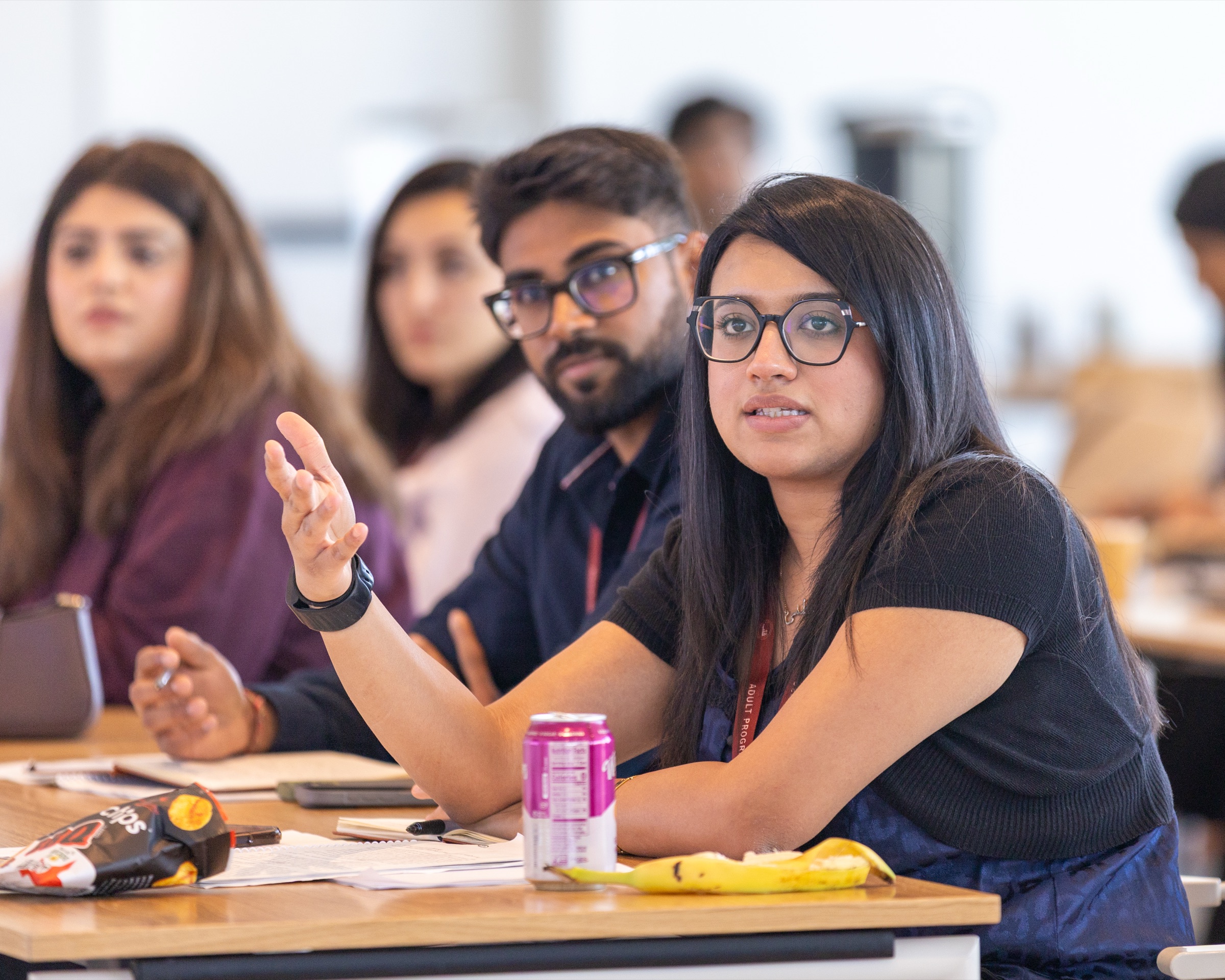
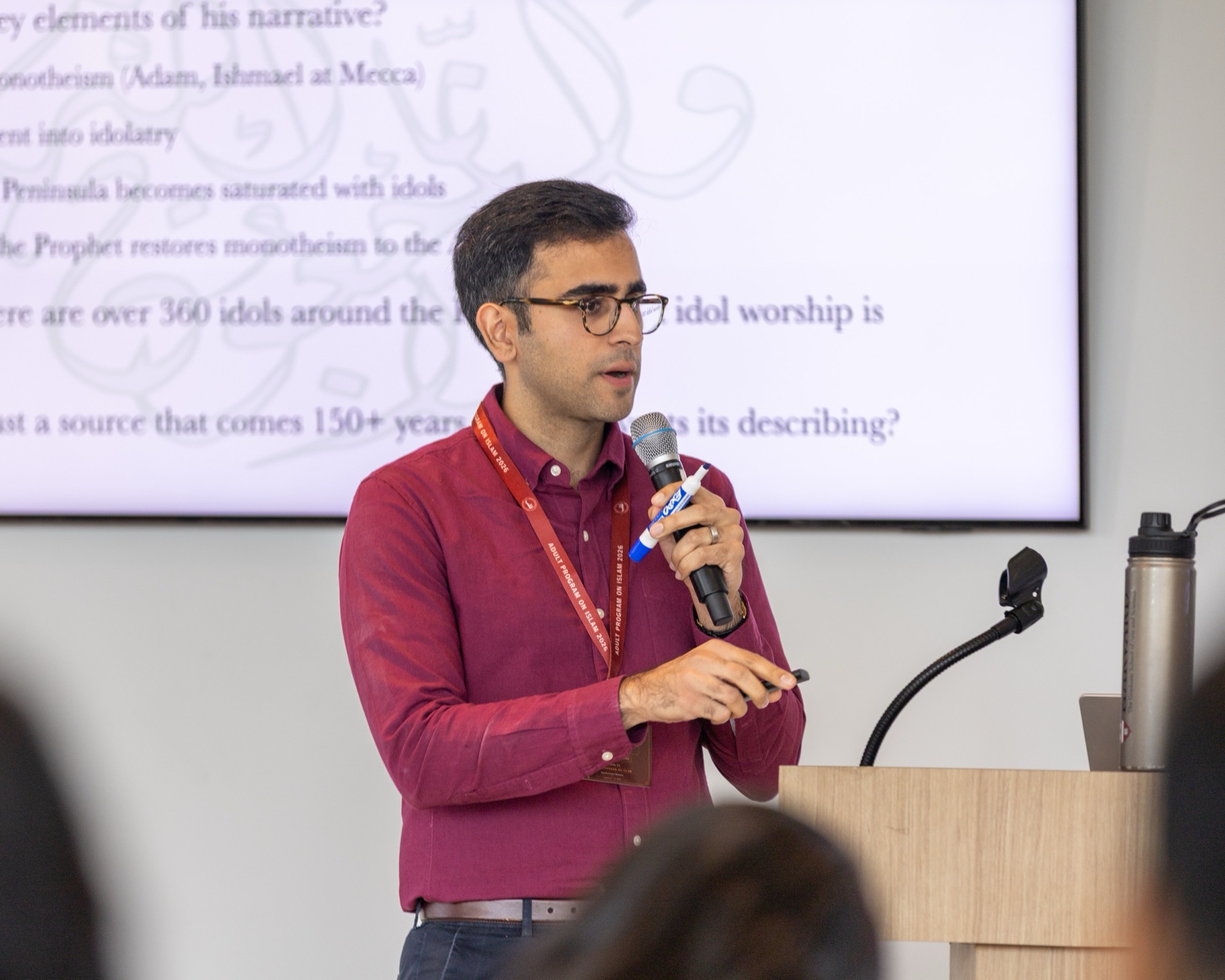
Participants take up the historical-critical study of Qurʾānic origins and the transmission of ḥadīth — interrogating the provenance, chronology, and reliability of the earliest Muslim sources.PC: Azhmeer Jesani
“Of the Abrahamic faiths, Islam is probably the one that places the greatest emphasis on knowledge. The purpose is to understand God’s creation, and therefore it is a faith which is eminently logical.”
— Imam Shah Karim Shah, Spiegel Interview (Berlin, Germany), October 12th, 2006
Encountering Lived Religion
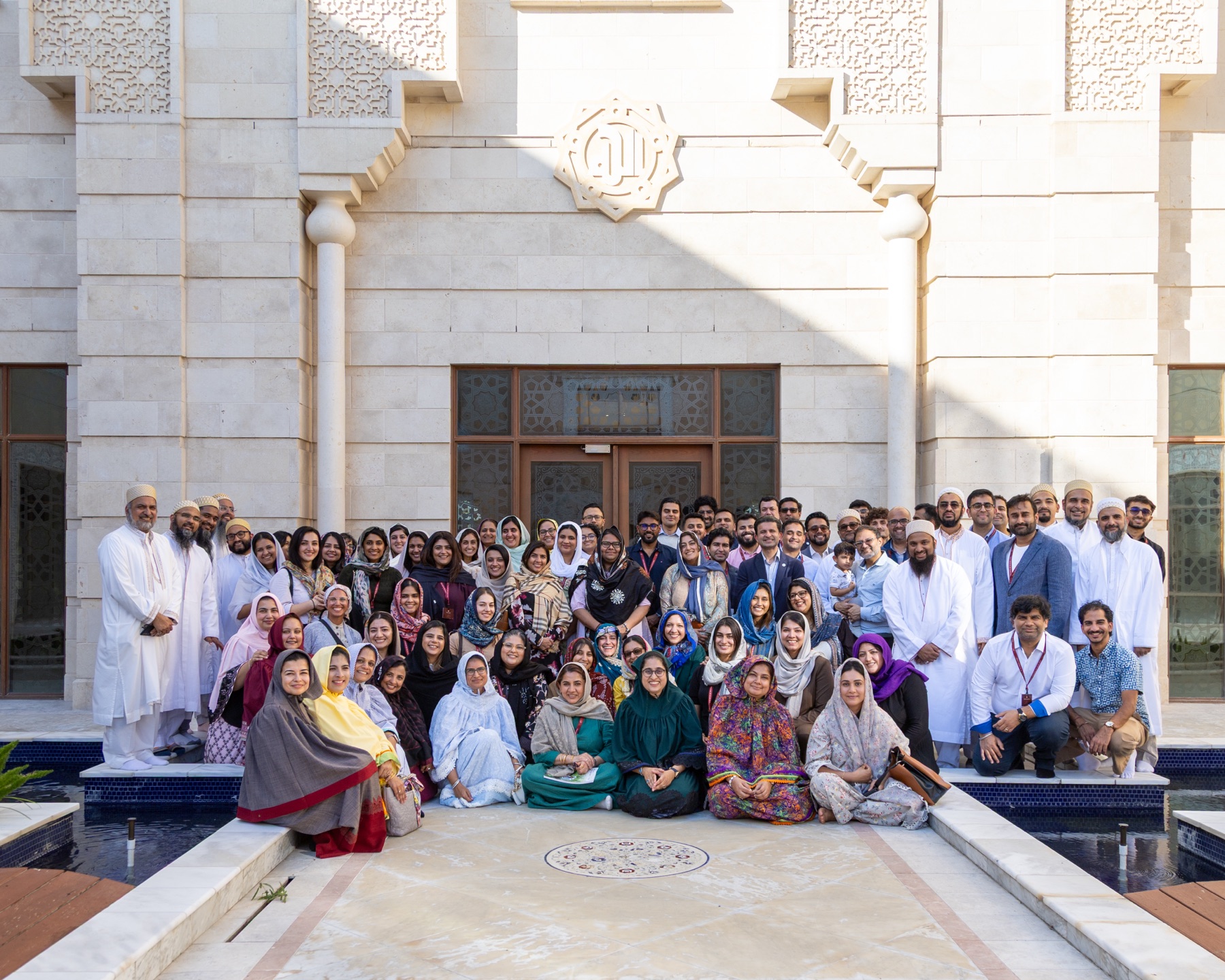
The curriculum does not remain confined to the seminar room. As part of the program, participants visit a Dawoodi Bohra masjid, where they are hosted by the local community and given the opportunity to observe and ask questions about its devotional life.
The Dawoodi Bohra are a Tayyibi Ismaili community whose traditions of jurisprudence, ritual, and religious authority developed along a distinct historical trajectory from that of the Nizari Ismailis. Encountering that difference first-hand allows participants to see how the intellectual traditions studied in lectures are embodied in the lived religion of Shia Muslim communities, and to appreciate the plurality of Muslim practice as something met in person rather than described on a page.
Participants with their hosts during the visit to a Dawoodi Bohra masjid.PC: Azhmeer Jesani
Program Schedule
Schedule
Across three days, participants engage with a sequence of lectures that move from approaches to the study of Islam, through Islamic philosophical traditions, into the intellectual traditions of Ismaili Islam across linguistic and regional contexts.
Day One
Approaches to the Study of Islam
Check-in & Breakfast
Camp Introduction & Curricular Narrative
Approaches to the Study of Islam — Historical-Critical Method: Islamic Origins & the Qurʾān (Part 1)
Lunch & Socializing
Approaches to the Study of Islam — Historical-Critical Method: Ḥadīth (Part 2)
Break
Approaches to the Study of Islam — Anthropology
Jamatkhana
Depart Campus for the Day
Day Two
Islamic Philosophical Traditions
Breakfast
Evolution of Sunni Intellectual Traditions: Fiqh, Kalām, Philosophy, and Ṣūfism
Lunch
Walāya Through the Ages: Intellectual Traditions of Shīʿī Islam
Dinner, Dua, & Break
Central Debates in Islamic Philosophy: Tawḥīd, Revelation, and the Eternity of the World
Depart Campus for the Day
Day Three
Intellectual Traditions of Ismaili Islam
Breakfast
Arabic & Persian Ismaili Philosophical Traditions
Break
South Asian Ismaili Thought in the Ginans
Lunch
Closing FAQs & Conclusions: Summarizing and Concluding
Social Outing & Closing
Schedule subject to change.
Applications
Our next program will be held in December 2026. Dates and location will be announced soon. Applications open in September 2026.